Understanding Corrosion for Optimal System Health
Internal Corrosion
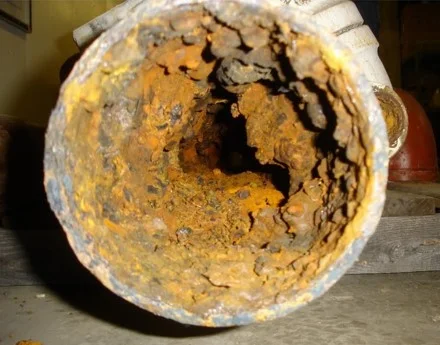
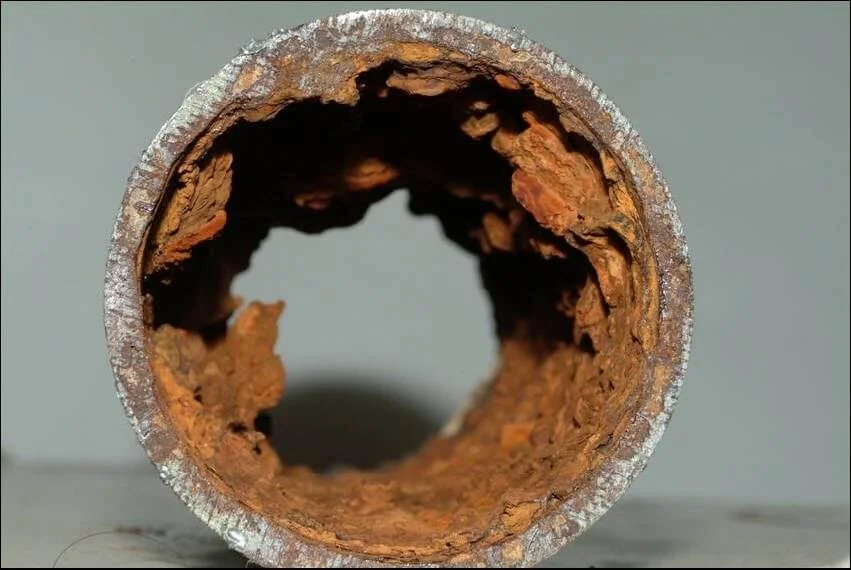
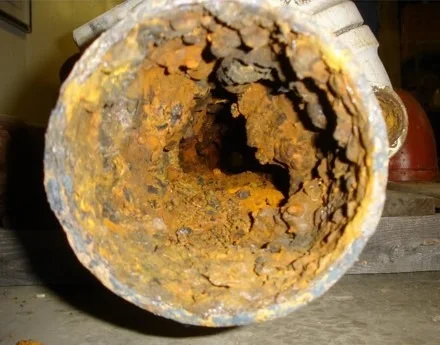
Invisible to the naked eye during visual inspections, internal corrosion can be caused by several factors, as the inside of the pipe is its own environment.
Internal corrosion can degrade the wall structure from the inside, reducing pipe integrity. Unfortunately, internal corrosion issues are typically only realized when leaks occur or the system fails when called upon to activate.
Internal corrosion can affect every system type (wet, dry, double-interlocked preaction, deluge, etc.), as these are typically closed systems, each with its own unique environment. The types of corrosion affecting each system may differ, but no system is completely safe from internal corrosion.
External Corrosion
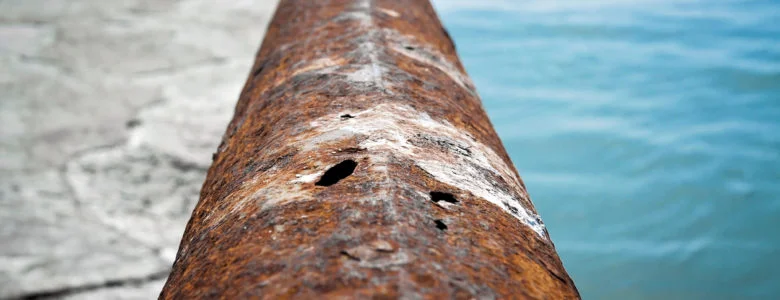
Easy to identify visually—though sometimes concealed by paint—external corrosion is caused by oxidation of piping systems, typically due to environmental factors.
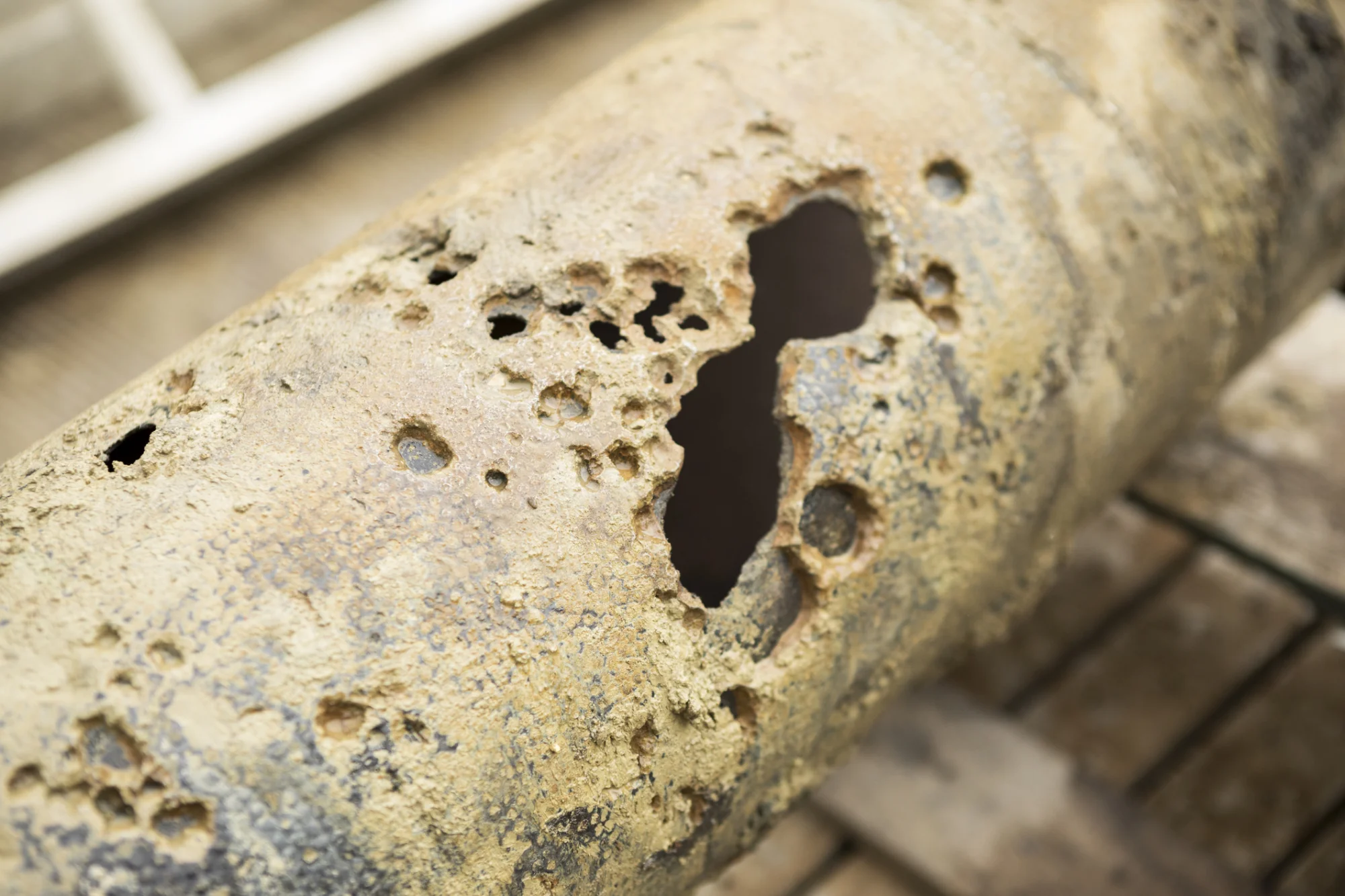
External corrosion can cause pitting and degrade pipe-wall integrity, leading to leaks within the system. When the system is called upon to activate, these leaks can reduce water flow to the required area.
Systems located near oceans, airports, major highways, parking structures or garages, and other areas with poor air quality may be more susceptible to this type of corrosion.
Microbiologically Influenced Corrosion (MIC)
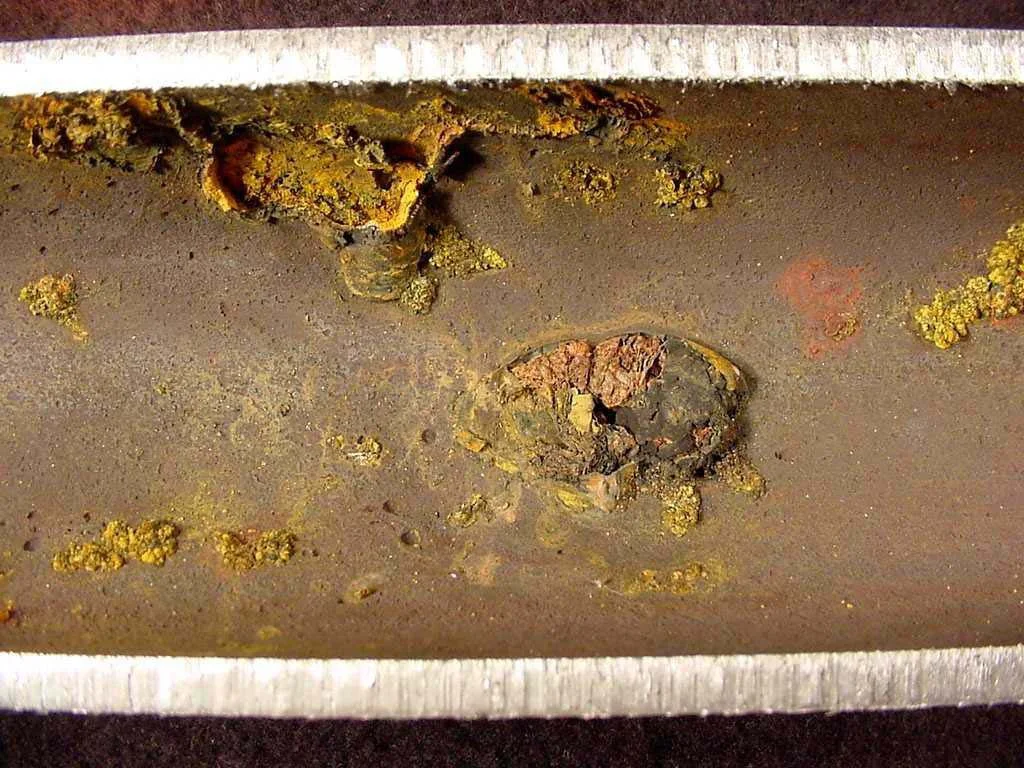
MIC refers to corrosion caused by the presence and activities of microorganisms—microalgae, bacteria, and fungi. MIC deteriorates pipes by pitting or tunneling, thereby penetrating their cross-sections and eventually degrading wall thickness. The formation of slime or tuberculation nodules can cause blockages or reduce flow.
Low flow or stagnant conditions make systems more susceptible to microbial growth. In older systems, problems occur when there is a change of water source, water quality, new materials of construction, or new operating conditions.
In order for MIC to grow, bacteria plus four other environmental factors need to be present: metal, nutrients, water and oxygen.
Weathering
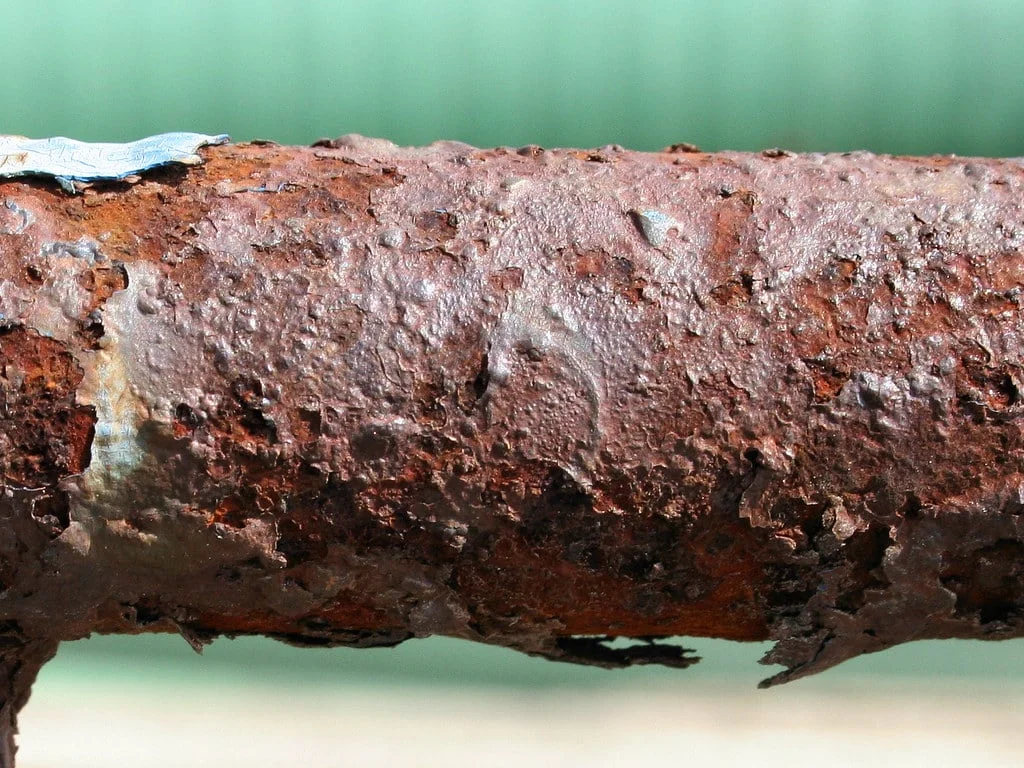
Weathering damage is typically due to atmospheric conditions or piping being exposed to caustic materials in the air. The piping is typically exposed with corrosion activity always visually obvious. Most weathering damage requires decades to produce a failure, and is simply due to a lack of maintenance however, if piping is installed in an especially corrosive environment may exacerbate the weathering of piping. Smaller diameter piping is always most vulnerable due to its inherently lesser wall thickness.
Galvanic Action
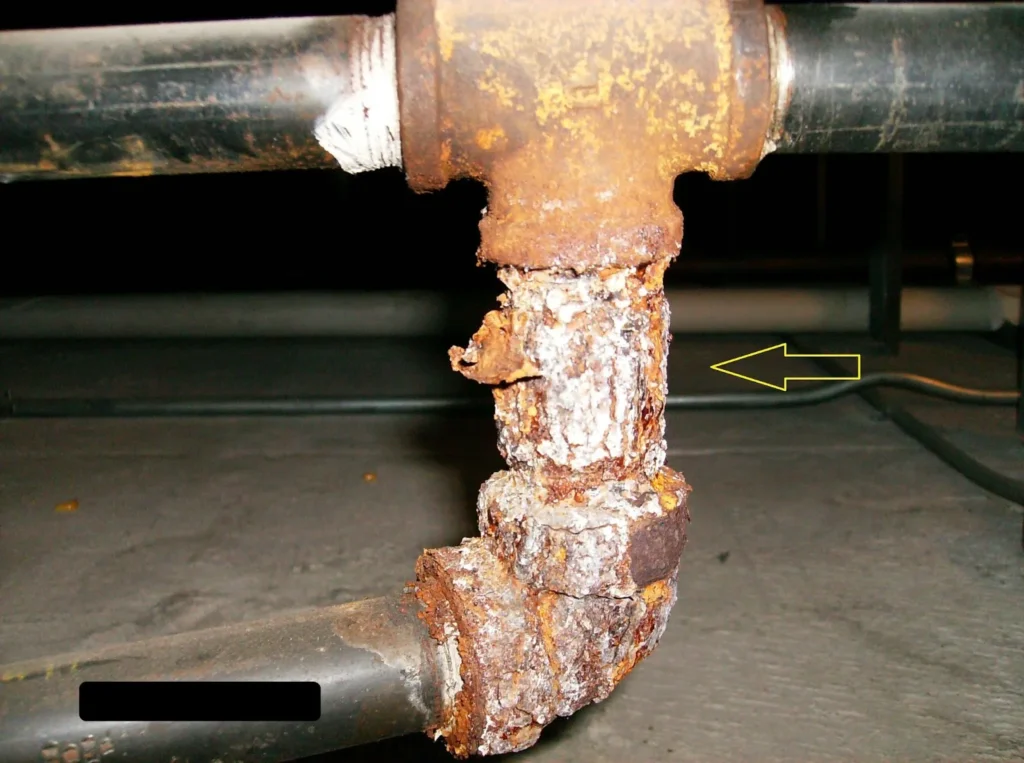
Galvanic corrosion (dissimilar-metal corrosion) is an electrochemical process in which one metal corrodes preferentially, when in contact with a different type of metal. This type of corrosion is usually at piping joints and can be visually witnessed on the exterior of the piping however, internal corrosion downstream of the physical corrosion can be present.
While most evidence of galvanic action is at pipe joints, improper materials for pipe hangers can cause this type of corrosion as well.
Pitting
Pitting is localized failure of piping. This corrosion type could be caused by electrochemical corrosion, localized MIC, coating failure, or surface deposits within the pipe creating localized galvanic action. This pitting corrosion over time can extend throughout the piping causing thinning of the pipe wall eventually causing a wall failure and leak. Visual in nature on exposed uninsulated piping, pitting is typically the result of unchecked corrosion within a system.
Electrochemical Oxidation (aka rust)
Electrochemical oxidation(aka rust) is a chemical reaction where electrons from the surface of the pipe(internal or external) are transferred to another material(air, water). Water must be present in order to facilitate this electron transfer. This type of reaction actually degrades the metal at the atomic level, expanding the space between molecules, causing it to become porous and brittle over time.
Sediment or Crevice Corrosion
Sediment/Crevice corrosion occurs when a foreign object within a pipe comes to rest in a particular spot causing a secondary type of corrosion to occur (electrochemical or galvanic action). Corrosion starts slowly around the object with the longer the item sitting the more corrosion occurs as the surface area of the pipe is exposed. Typically, but not always in dry type systems, this corrosion tends to cause pinhole leaking.